Why Face Wash Makes Skin Dry—And How to Fix It
Why Face Wash Makes Skin Dry (And How to Fix It) – Complete Guide for Pakistani Skin Types
If you’ve ever washed your face and felt that tight, stretched, uncomfortable feeling right after — you’re not alone. Many people searching for “why face wash makes skin dry” are unknowingly damaging their skin barrier daily.
The truth? Your face wash might be doing more harm than good — especially in Pakistan’s harsh weather conditions (dust, heat, pollution). But the good news is: fixing it is actually simple once you understand the cause.
Why Does Face Wash Make Skin Dry?
This happens when your cleanser strips away your natural oils (sebum) — which your skin actually needs to stay healthy.
Here are the real reasons:
1. Harsh Cleansing Ingredients
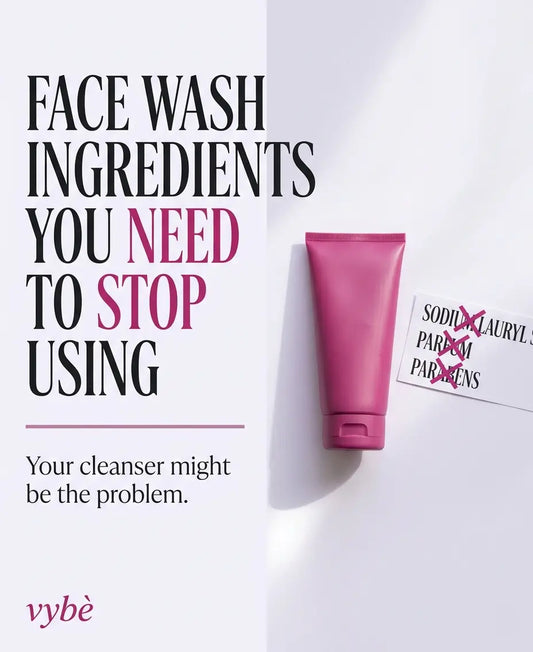
Many face washes contain strong surfactants (like sulfates) that:
-
Remove dirt ✔
-
But also strip essential moisture ❌
Result: Dry, tight, irritated skin.
2. Over-Cleansing
Washing your face more than 2 times a day can:
-
Disrupt your skin barrier
-
Trigger more oil production (yes, the opposite effect)
3. Wrong Face Wash for Your Skin Type
Using:
-
Oil-control face wash on dry skin
-
Acne face wash on sensitive skin
= guaranteed dryness.
4. Hard Water in Pakistan
In cities like Lahore, Karachi, and Faisalabad:
-
Water contains minerals that leave residue
-
This worsens dryness and irritation
How Do You Know If Your Face Wash Is Too Harsh?
If you notice:
-
Tightness right after washing
-
Flaky patches
-
Redness or irritation
-
Skin feels “squeaky clean”
👉 That’s not clean — that’s over-stripped skin.
How to Fix Dry Skin Caused by Face Wash
Now the important part — fixing it.
1. Switch to a Barrier-Friendly Cleanser
Look for ingredients like:
-
Niacinamide
-
Hyaluronic Acid
-
Gentle surfactants
👉 Try:
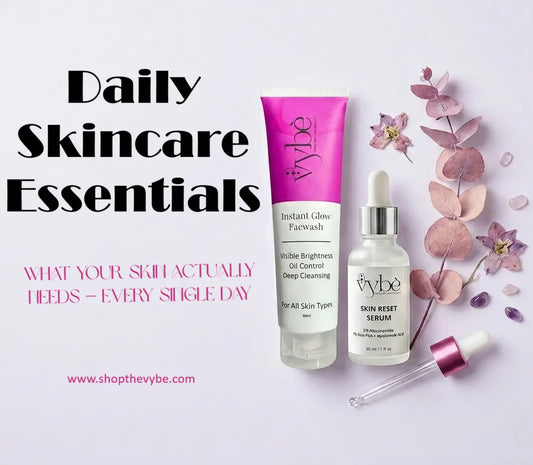
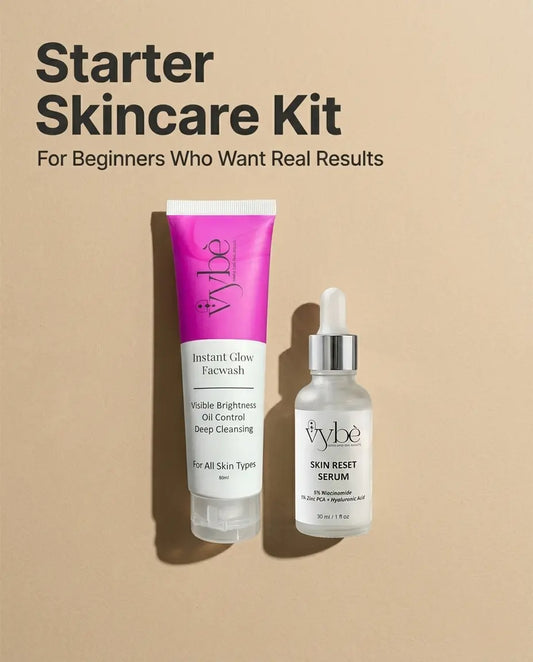
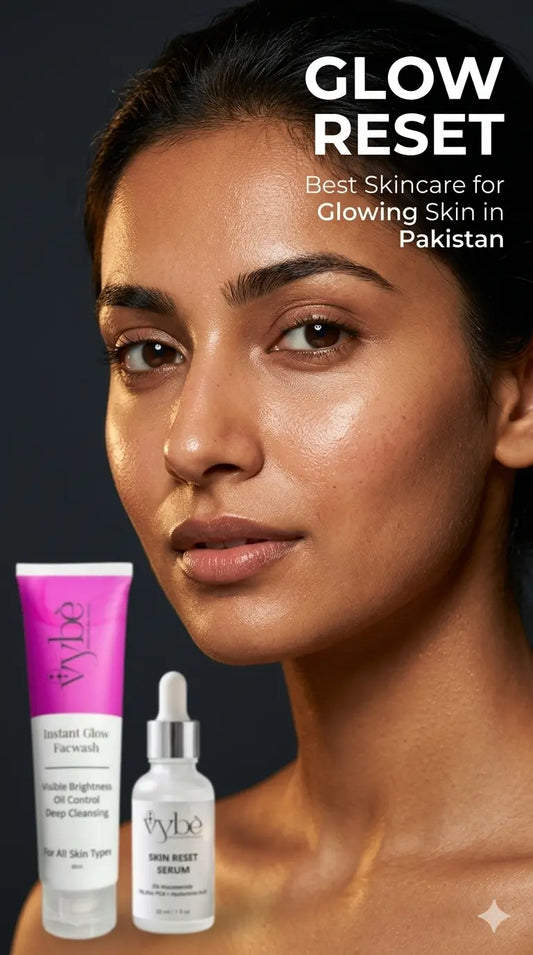
Instant Glow Face Wash by Vybe
https://shopthevybe.com
✔ Cleans without stripping
✔ Maintains skin hydration
✔ Designed for Pakistani skin conditions
2. Use Lukewarm Water (Not Hot)
Hot water:
-
Damages your skin barrier
-
Increases dryness instantly
3. Don’t Over-wash
Stick to:
-
Morning: Light cleanse
-
Night: Proper cleanse
4. Apply Serum Immediately After Washing
Right after washing, your skin is most absorbent.
Use:
-
Hydrating + barrier-repair serum
👉 Pair it with:
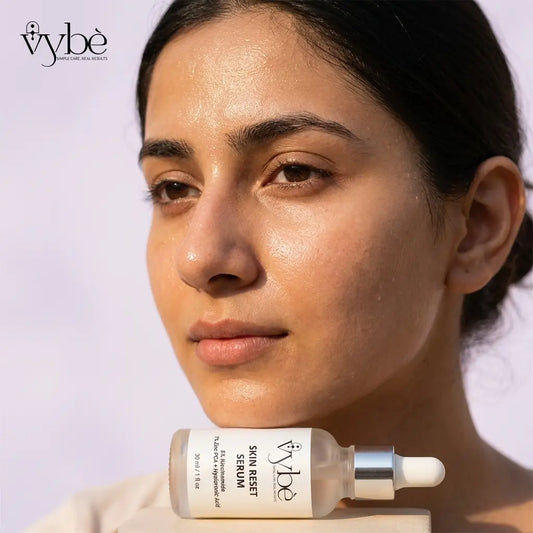
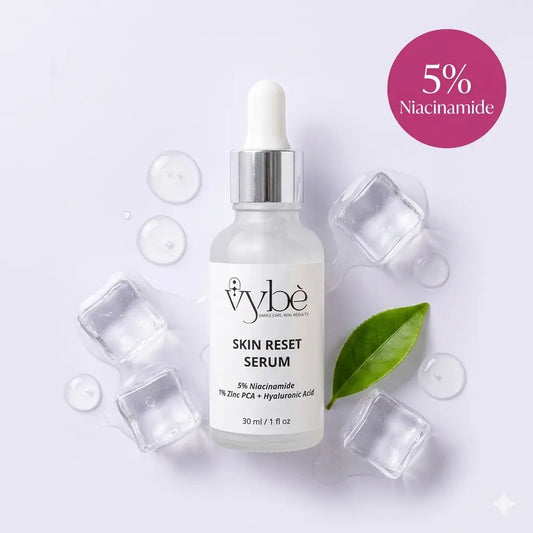
Skin Reset Serum (Niacinamide + Zinc + HA)
https://shopthevybe.com
5. Avoid “Foam = Better Clean” Myth
Foam ≠ effectiveness.
In fact:
-
More foam often = more dryness
Best Face Wash Routine for Oily & Acne-Prone Skin (Pakistan)
If your skin is oily but still feels dry:
Morning:
-
Gentle face wash
-
Light serum
Night:
-
Cleanser
-
Repair serum
👉 This is the exact routine behind the vybe glow system — focused on balance, not stripping.
Does Face Wash Actually Damage Your Skin Barrier?
Yes — if used incorrectly.
Your skin barrier protects against:
-
Pollution
-
Acne-causing bacteria
-
Moisture loss
Damaging it leads to:
-
More acne
-
More oil
-
More sensitivity
Internal Reads (Build Your Routine)
To go deeper, read:
(These help Google see topical authority — and guide your customer journey.)
FAQ – Why Face Wash Makes Skin Dry
1. Why does my skin feel tight after washing my face?
Because your cleanser is stripping natural oils, damaging your skin barrier.
2. Can oily skin also feel dry after face wash?
Yes. Over-cleansing can trick your skin into producing more oil — making acne worse.
3. How many times should I wash my face daily?
2 times max. Overwashing causes dryness and irritation.
4. Which ingredients should I avoid in face wash?
Avoid:
-
Sulfates (SLS/SLES)
-
Alcohol-heavy formulas
-
Strong fragrances
5. What is the best face wash for Pakistani weather?
A gentle, hydrating cleanser with barrier-support ingredients — like vybe’s Instant Glow Face Wash.
Final Verdict
If your face wash is making your skin dry, it’s not your skin — it’s your product or routine.
The fix isn’t complicated:
-
Use gentle formulas
-
Protect your barrier
-
Focus on balance, not harshness
That’s exactly what vybe stands for — not basic skincare, but smart, performance-driven skincare that works with your skin, not against it.
SEO Optimization (Behind the Scenes)
Tags:
Previous
Best Face Serum for Oily Skin in Pakistan (2026 Guide)
Next
Niacinamide Serum Benefits for Beginners (Complete Guide for Pakistani Skin Types)