
The Real Reason Your Face Turns Oily by Noon in Summer
If you live in Karachi or Lahore, you already know the feeling — you wash your face, step outside, and by the time you’re at your desk or stuck in traffic, your T-zone is shining like you never cleansed at all. Oily skin in Karachi and Lahore summers isn’t in your head, and it isn’t bad luck either. It’s a very specific combination of heat, humidity, and pollution that hits Pakistani skin harder than most skincare advice (written for cooler, drier climates) accounts for.
Here’s what’s actually happening to your skin — and what to do about it instead of blotting your face every two hours.
Why does skin get oilier in summer in Pakistan?
Your skin has sebaceous glands that produce oil (sebum) to keep it moisturized and protected. In cooler weather, they work at a steady pace. But once temperatures cross into the high 30s and 40s — which is most of the year in Karachi and Lahore — your body’s cooling response kicks in, blood flow to the skin increases, and oil glands go into overdrive. Add in Lahore’s smog-heavy air or Karachi’s coastal humidity, and sweat mixes with sebum, dust, and pollution to sit on the skin’s surface all day. The result: that heavy, greasy feeling by early afternoon, even on skin that felt “normal” in winter.
Is oily skin worse in Karachi than in Lahore?
Slightly different, same outcome. Karachi’s coastal humidity keeps moisture in the air, so sweat doesn’t evaporate easily — it sits on your skin and mixes with oil and city dust, which is why Karachi skin often feels sticky rather than just shiny. Lahore’s dry heat and higher pollution/smog levels mean your skin produces extra oil partly as a defence mechanism against dryness and airborne particles, so it can feel oily and irritated at the same time. Both cities end up at the same place — excess shine, clogged pores, and breakouts — just by slightly different routes.
Does humidity really increase oil production, or does it just feel that way?
It’s both. Humidity itself doesn’t force your glands to produce more oil, but it does two things that make oiliness worse: it slows sweat evaporation (so oil and sweat sit on your face longer and feel heavier), and it weakens your skin barrier over time, which then triggers your skin to overproduce oil to compensate. That’s why so many people with oily skin in Karachi and Lahore also deal with random dry patches or sensitivity — the barrier is confused, not just “oily.”
Is washing your face more often the fix?
No — and this is where most people go wrong. Washing your face 4–5 times a day feels like control, but it strips your skin’s natural oils, which signals your glands to produce even more oil to compensate. You end up in a loop: wash, feel dry for ten minutes, get oily again by lunch. The fix isn’t washing more — it’s washing right, with a formula built to control oil without over-stripping.
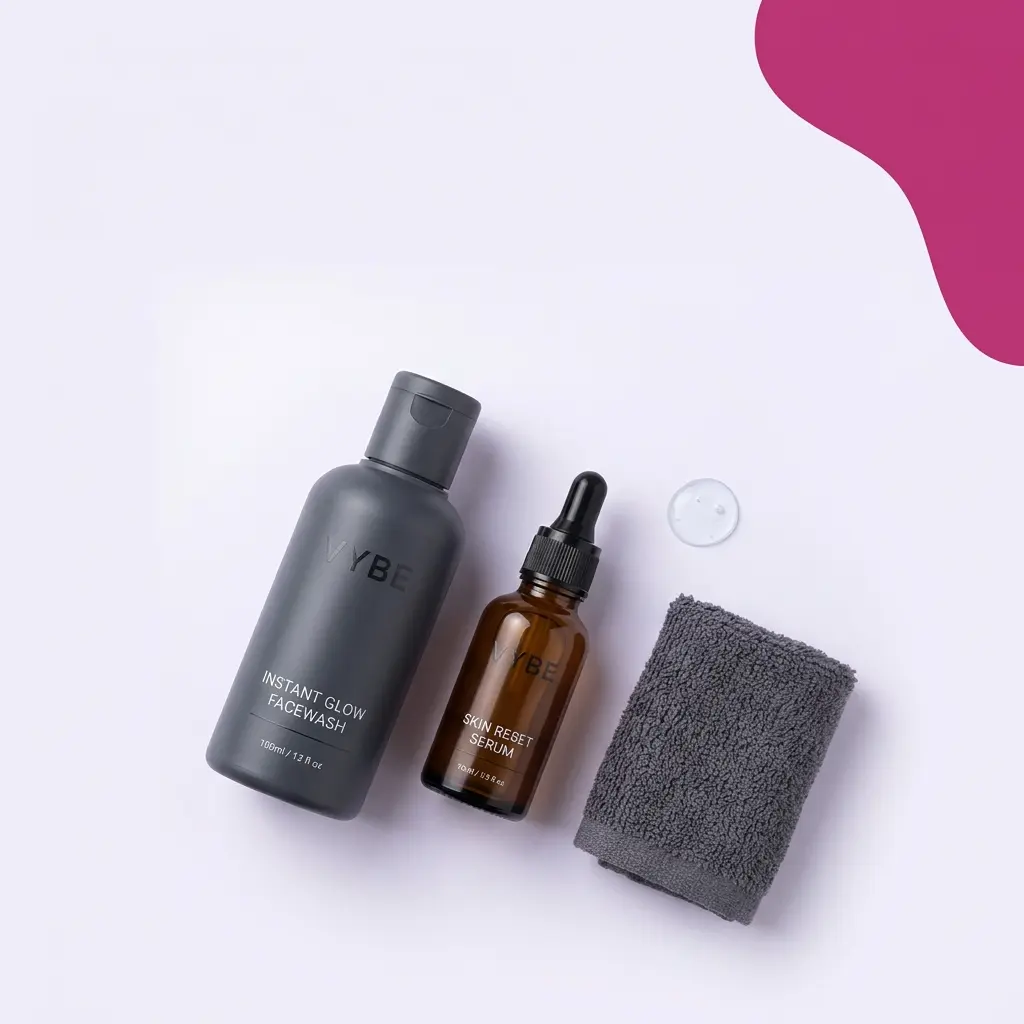
A face wash with charcoal and proper cleansing agents — like the Vybe Instant Glow Facewash — is built for exactly this: deep cleaning pores and pulling out excess oil and pollution buildup, twice a day, without leaving that tight, dehydrated feeling that makes your skin panic and overproduce oil later.
What ingredients actually control oil in Pakistan’s humid weather?
Not every “oil control” product is built for our weather. Here’s what to actually look for:
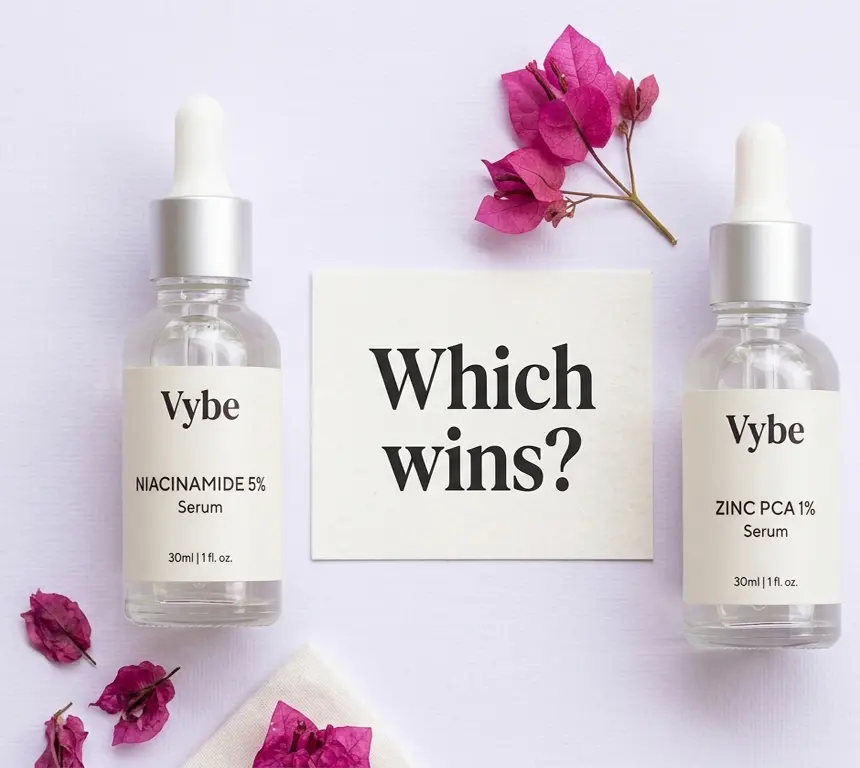
- Niacinamide — regulates oil production over time and calms redness/irritation from heat and pollution
- Zinc PCA — directly controls excess sebum and helps prevent the breakouts that come with clogged, oily pores
- Hyaluronic Acid — sounds counterintuitive for oily skin, but lightweight hydration is what stops your skin from overproducing oil to compensate for dryness
- Activated charcoal — pulls out impurities, sweat residue, and pollution buildup that plain water can’t touch
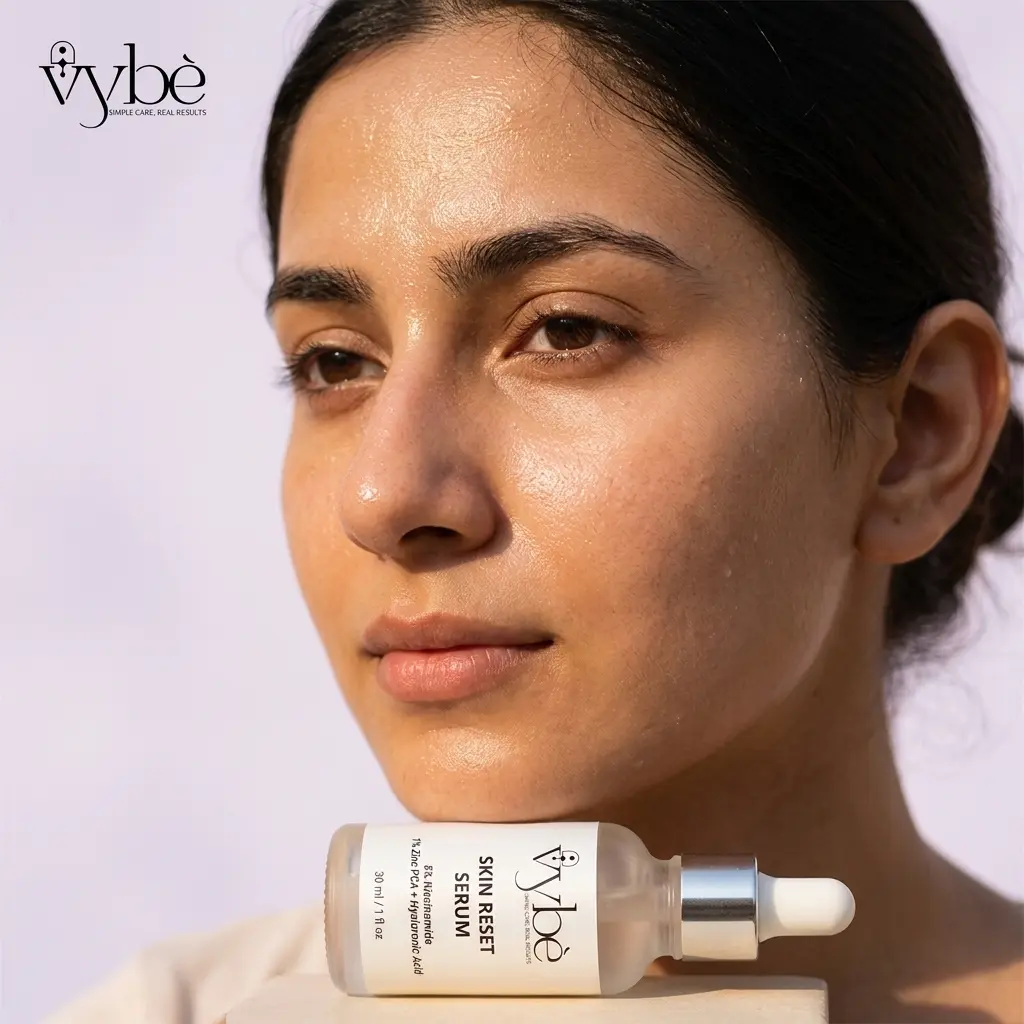
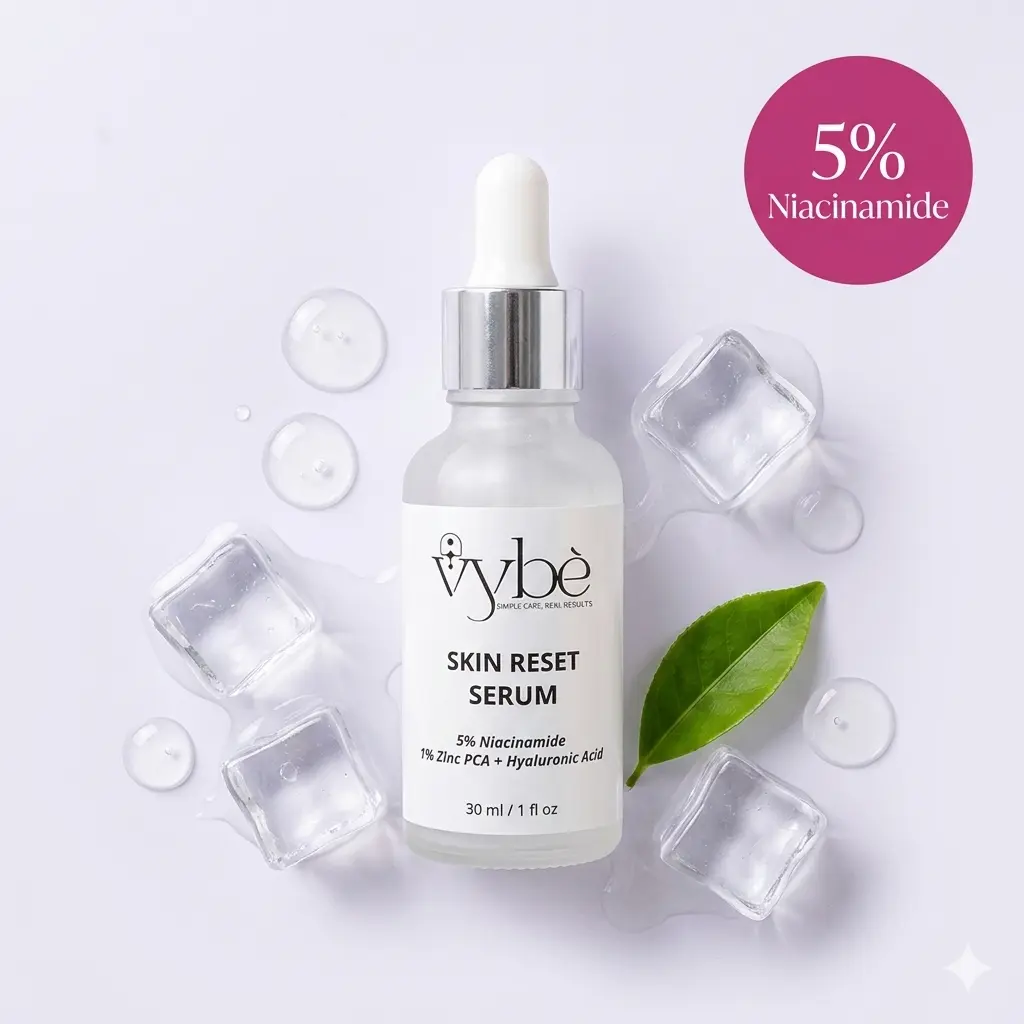
This is exactly the combination inside the Vybe Skin Reset Serum (5% Niacinamide, 1% Zinc PCA, Hyaluronic Acid) — formulated for this exact climate problem, not adapted from a routine built for cooler countries.
How should an oily-skin summer routine actually look in Karachi or Lahore?
Keep it simple and consistent — that matters more than having ten products:
- Morning: Charcoal face wash to clear overnight oil buildup → lightweight serum → SPF (non-negotiable in this sun)
- Midday (optional): Blotting paper or a quick rinse if you’re out and about — skip re-cleansing with face wash
- Night: Face wash again to remove the day’s sweat, pollution, and sunscreen → serum to treat and regulate oil overnight
If you want the cleanse-and-treat combo without piecing it together yourself, the Vybe Glow Reset Duo pairs the facewash and serum together — built as one routine for exactly this weather, not two random products.
For a deeper breakdown of building a full serum-based routine for this climate, check out our guide on the best face serum for oily skin in Lahore’s summer heat and our post on oily skin in humid weather.
Vybe was built around this exact vibe — skin that can handle Karachi and Lahore heat without the greasy trade-off. #vybe
FAQs
Q1. Why is my skin oilier in summer than in winter? Heat increases blood flow to your skin, which speeds up oil gland activity. Combined with sweat, humidity, and pollution sitting on the skin’s surface, summer oil production can feel two to three times heavier than in winter — even if your skin type hasn’t actually changed.
Q2. Does drinking more water help with oily skin in Pakistan’s heat? It helps your overall skin health and hydration, but it won’t stop oil production on its own. Dehydration from heat can actually make oily skin worse (your body compensates with more oil), so drinking water helps indirectly — it’s not a replacement for the right skincare routine.
Q3. Should oily skin skip moisturizer or serum in summer? No — this is one of the biggest mistakes. Skipping hydration makes your skin produce more oil to protect itself. The fix is switching to lightweight, oil-free hydration (like a niacinamide + hyaluronic acid serum) instead of cutting it out completely.
Q4. What’s the best face wash for oily skin in Karachi and Lahore? Look for a face wash with charcoal or oil-control actives that cleans deeply without over-drying — over-drying is what triggers rebound oiliness later in the day. The Vybe Instant Glow Facewash is formulated specifically for this.
Q5. How often should I wash my face if I have oily skin in summer? Twice a day — morning and night — is enough for most people, even in peak summer. Washing more than that strips your skin and can make oiliness worse, not better.